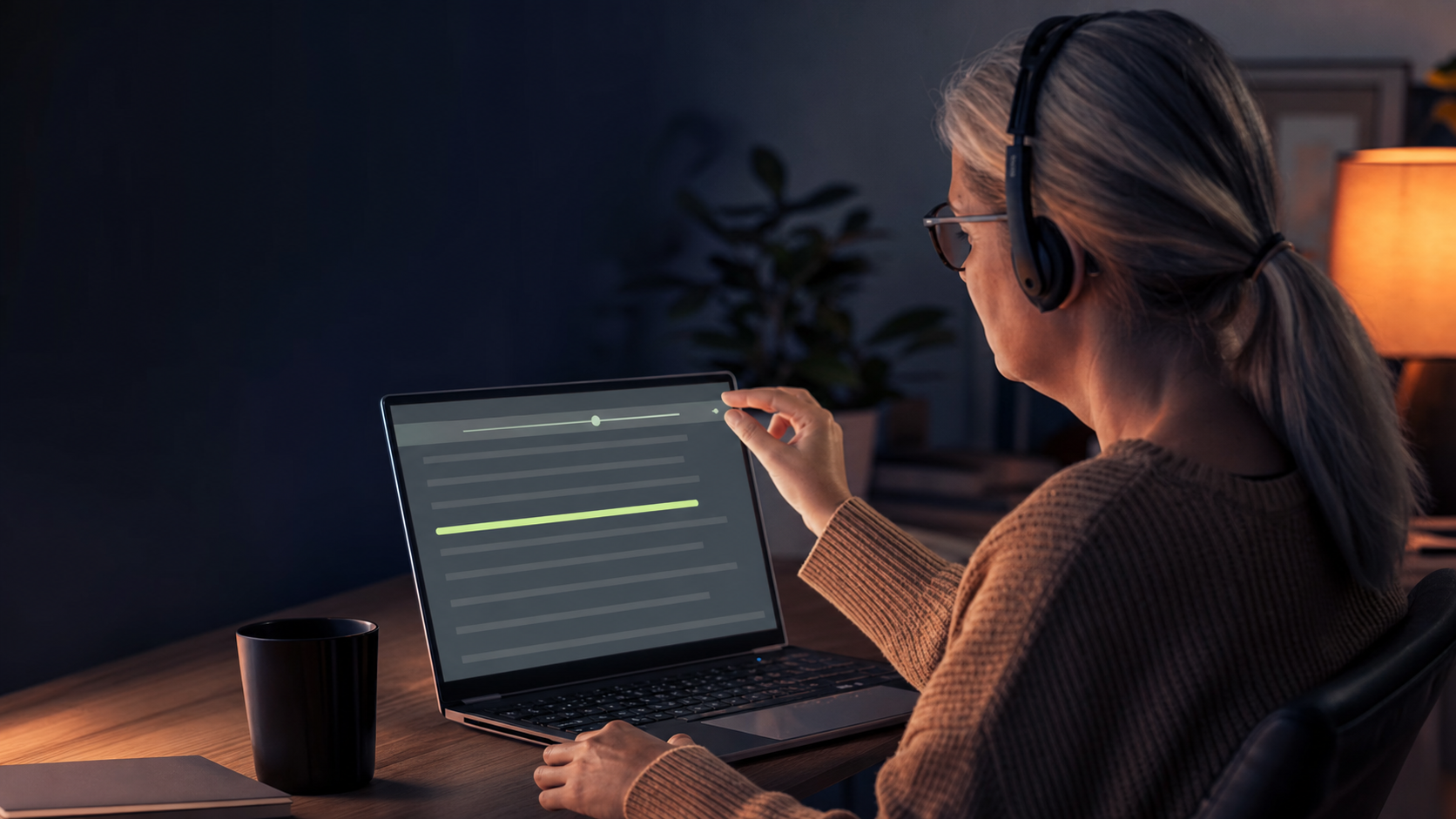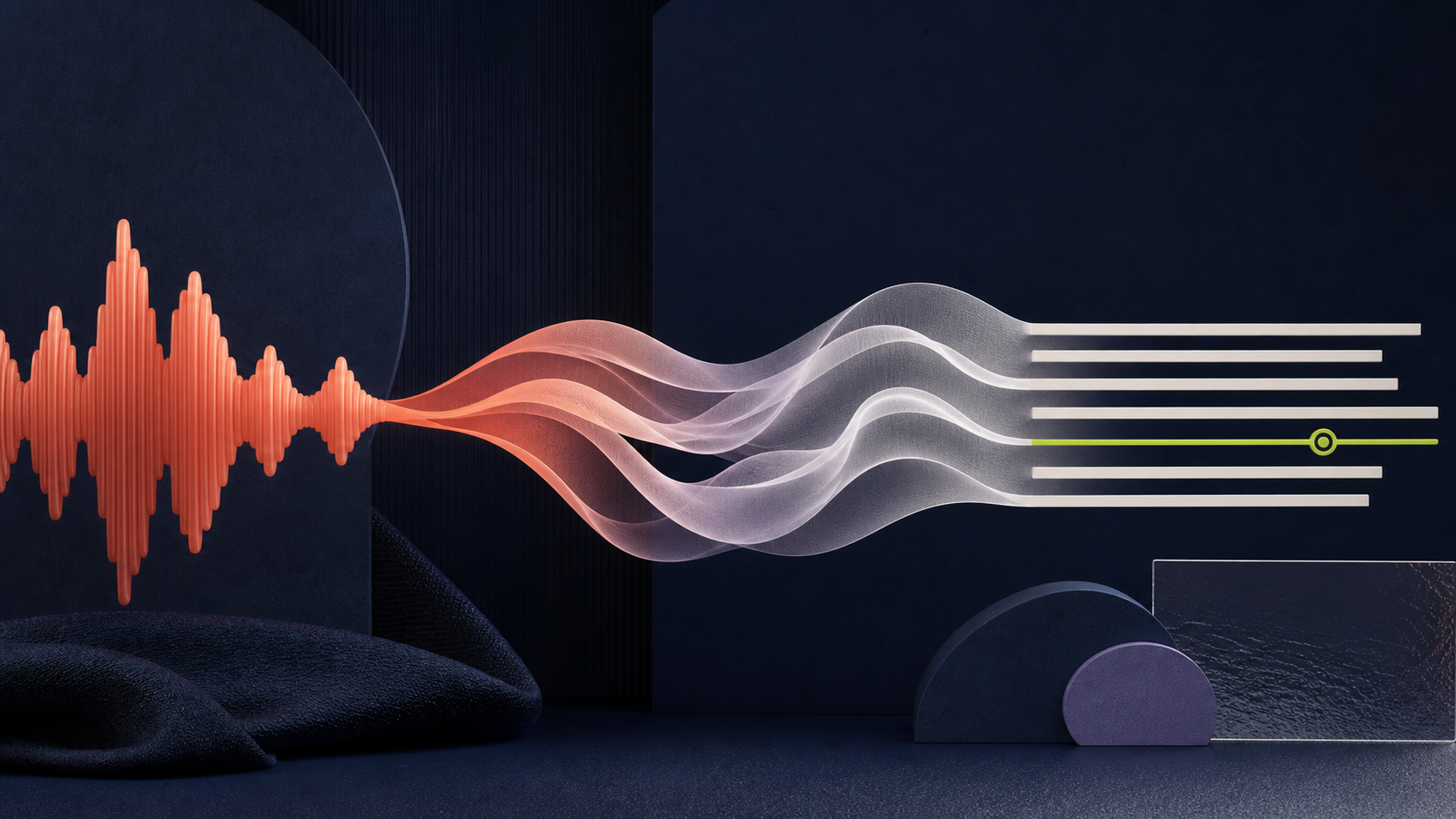
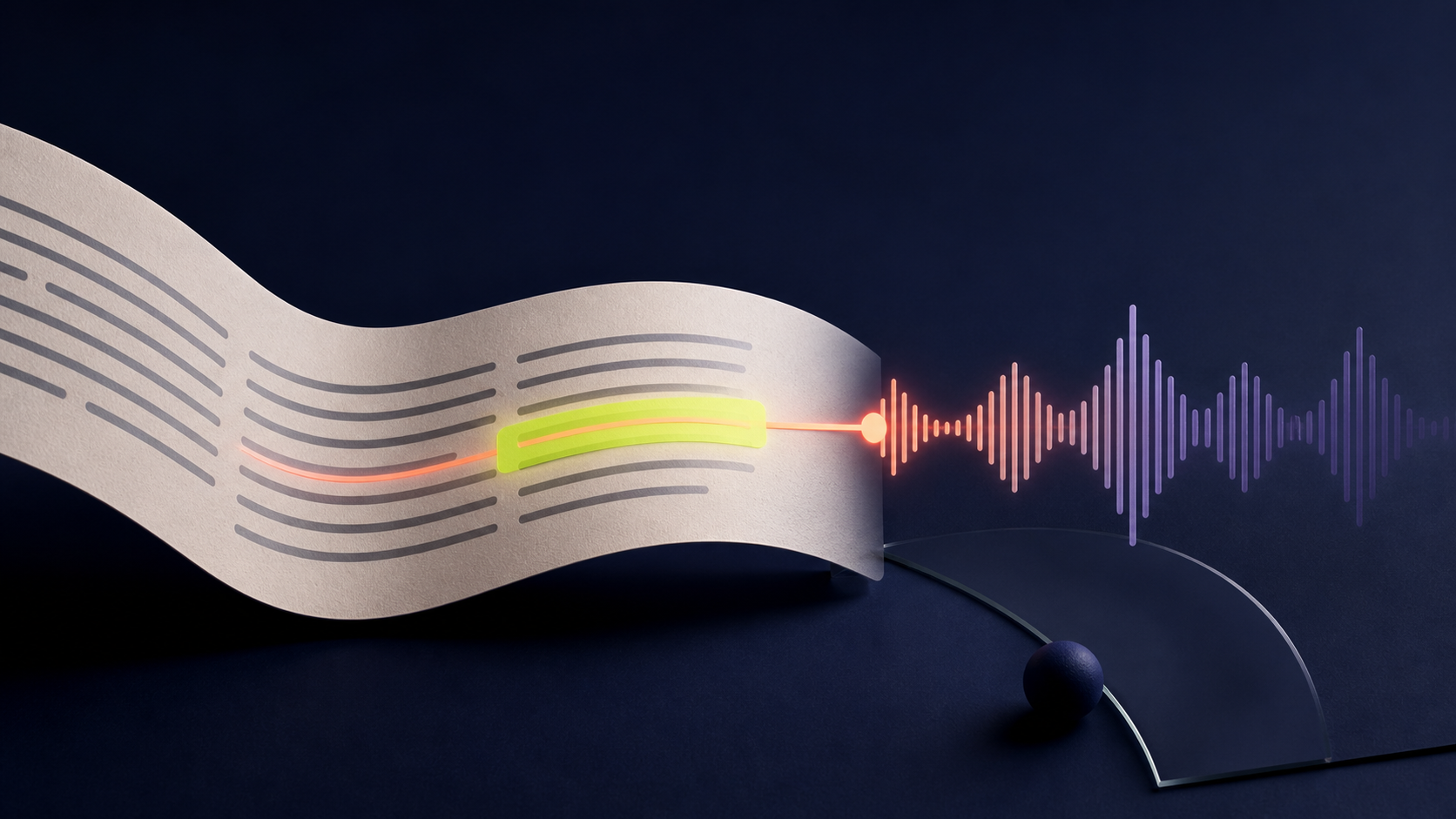
Speech can reduce the work of decoding text. A synchronised visual marker adds orientation, making it easier to follow, pause and re-enter the article.
Listening solves one problem. Orientation solves another.
Text-to-speech can turn a dense article into something you can hear. That matters when print is difficult to see, when decoding is effortful, or when your eyes simply need a break. Yet audio alone has a weakness: it is easy to lose the exact place on the page.
A visible word highlight acts like a quiet guide. It links the sound in your headphones to a precise location in the original article. If you look away and return, the current word gives you somewhere concrete to land.
The goal is not to make the page flash. It is to make the reading position obvious without making the page noisier.
Two channels can support the same task
Some people prefer to listen without looking. Others understand more comfortably when they hear a sentence and see it at the same time. Neither approach is universally better. A useful reader should allow both.
Follow-along highlighting can be especially practical when you need to check a name, number or unfamiliar term. You hear the flow of the sentence, then glance at the exact written form without searching the paragraph.
Good highlighting should stay out of the way
A reading aid becomes another obstacle when it jumps unpredictably, hides nearby text or forces the article into a separate reader window. We believe the better pattern is to preserve the original page and add a temporary highlight over it.
- The article layout should not be rewritten.
- The current word should remain easy to see without constant aggressive scrolling.
- Highlighting should stop cleanly when narration stops.
- People should be able to turn it off while keeping the voice.
This is why ReadAloud AI uses browser highlight ranges rather than wrapping every word in new markup. The page stays the page.
Re-entry matters more than perfect concentration
Real reading includes interruptions. A notification appears. Someone speaks. A thought sends you somewhere else for a moment. Accessible design should expect that, not treat it as failure.
A current-word marker makes the cost of returning smaller. Instead of scanning several lines to discover where the voice has reached, you can find the highlighted word and continue.
It is support, not a promise
Word highlighting will not help every reader in the same way, and ReadAloud AI is not a medical or learning treatment. It is an adjustable reading tool. The important part is choice: voice on or off, highlighting on or off, scrolling on or off, and a pace that feels comfortable.